Myth: Automatic Payments Are Always a Discount.
Many Californians sign up for auto-pay expecting a nice chunk off their insurance bill. It’s a common belief, isn’t it? You’re helping the insurer, so they should help you back.
The short answer is yes, sometimes you do get a discount. The real answer is more complicated. Insurers love automatic payments. Why? Because it makes their lives easier. They don’t have to chase late payments, and they get predictable income. That’s a big deal for their financial planning. Because of this, many — like State Farm, AAA, or Farmers — do offer a small incentive, maybe 2% or 5% off, for setting up recurring payments from your bank account or credit card.
But here’s the thing: that discount often isn’t huge. Sometimes it’s barely noticeable on your overall premium. For some people, the convenience alone is worth it, even without a major price break. Not always a discount, but often a benefit to the insurer.
Question: Will Auto-Pay Stop My Policy From Being Canceled?
You’d think so, wouldn’t you? If money’s automatically leaving your account, your policy should be safe. It’s a common misconception that auto-pay creates an impenetrable shield against cancellation.
It absolutely helps. Non-payment is one of the quickest ways to lose your coverage. If your policy is set up for automatic deductions, you’re much less likely to miss a payment deadline. This is a huge relief for busy folks in places like the Inland Empire or the Valley, where life moves fast.
But wait — auto-pay doesn’t cover everything. Policies can be canceled for reasons totally unrelated to payment. Maybe your insurer decides to pull back from certain high-risk areas in California, like some parts of Ventura County after a bad fire season. Or perhaps you’ve had too many claims in a short period, or your property changes in a way that makes it uninsurable under your current policy. We’ve seen insurers like State Farm and Farmers tighten their belts in California lately, sometimes even dropping long-time customers. Auto-pay won’t stop that kind of underwriting decision.
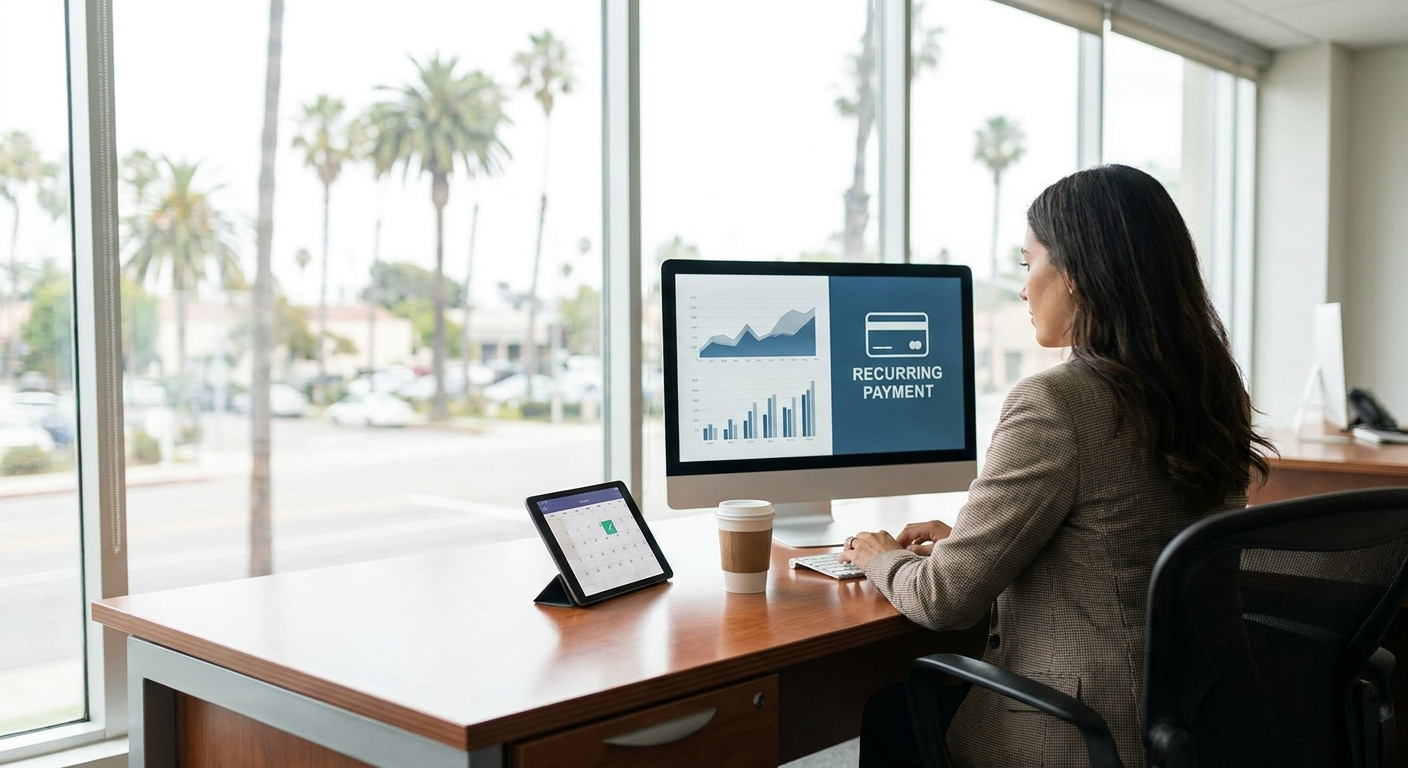
Myth: Setting It and Forgetting It Is the Smartest Play.
Oh, the allure of “set it and forget it.” It sounds so good, doesn’t it? One less thing on your mental to-do list. And for years, for many, it worked just fine.
But here’s the thing: California’s insurance market isn’t what it used to be. Not by a long shot. Premiums for homeowners insurance, especially, have jumped dramatically for many across the state — sometimes 40% or more between 2022 and 2024. If you’ve got auto-pay running, your bank account just keeps paying that new, higher amount without a peep from you.
This is where “forgetting it” can really hit your wallet. You might be paying for coverage you don’t even need anymore, or missing out on a better deal because you haven’t looked at your policy in ages. Maybe you added an expensive rider for something you no longer own. Or perhaps a new discount became available that you’re not getting because you haven’t reviewed your declaration page. Every year, when your renewal comes, it’s worth a quick look. Don’t just let the money flow.
Question: What Happens If My Card Expires or My Bank Account Changes?
This is a classic. You update your bank account after a refinance, or your credit card gets replaced, and you totally forget about all the places it’s linked. Insurance auto-pay is often one of them.
Most insurers aren’t immediately going to cancel you the second a payment bounces. They’ll typically send you a notice – a physical letter, an email, maybe even a text. They might try to process the payment again. You’ll usually have a grace period, perhaps 10 to 15 days, to update your information and make the payment.
But if you miss those notices, or if life gets in the way and you don’t act quickly, you could be in trouble. A lapse in coverage is a big deal. If you have a claim during that lapse – say, a fender bender on the 405 or a small kitchen fire in your home – your insurer could deny it entirely. That’s a massive financial risk. Plus, getting new insurance after a lapse often means paying higher premiums, sometimes significantly so.

Myth: All Insurers Handle Auto-Pay the Same Way.
You’d think such a common feature would be standardized, wouldn’t you? Like buying a gallon of milk. But no, it’s not.
Different insurers have different rules. Some, particularly the bigger national carriers, might offer you a lot of flexibility. You might be able to pick your payment date within a certain window, or easily switch between a checking account and a credit card online. Others, especially smaller or more specialized carriers, might be much stricter. Maybe they only allow payments on the 1st or 15th, or require you to call in to make any changes.
This brings up something most people miss: always read the fine print about automatic payments when you sign up. Understand their grace period policies, how they notify you of failed payments, and how easy it is to change your payment method or stop auto-pay if you need to. It’s not one-size-fits-all.
Question: Can Auto-Pay Affect My Ability to Switch Insurers?
Some people worry that signing up for auto-pay is like signing a long-term contract – that you’re somehow locked in. You’re not.
You can absolutely cancel your auto-pay arrangement at any time. It’s your money, and you control it. If you find a better rate or a policy that fits your needs more precisely, you’re free to switch. Insurers can’t hold you hostage with an auto-pay agreement.
Which brings up something most people miss: the real “lock-in” isn’t contractual; it’s psychological. Convenience is powerful. When payments are automatic, it’s easy to just keep renewing with the same company year after year, even if their rates creep up or their service declines. This inertia costs Californians a lot of money, especially with the wild swings we’ve seen in the market. Think about it: after the 2025 LA fires scenario, or the constant back-and-forth with Prop 103 and rate reviews, shopping around isn’t just a good idea; it’s essential.
That’s why an independent insurance expert like Karl Susman at Best Insurance Rates Los Angeles (CA License #OB75129) can be so valuable. He’s not tied to just one company. He can look at the whole market for you.
The Real Benefit: Reducing Stress, But With a Catch.
Let’s be honest. Automatic billing is a lifesaver for many. It truly does reduce the stress of remembering yet another bill, especially when you’re juggling mortgage payments, utility bills, and everything else in California life. Missing a payment is genuinely stressful, and auto-pay largely solves that.
The catch? It requires occasional vigilance. It’s a tool, not a substitute for actively managing your insurance. You wouldn’t just hand over your entire financial life to an algorithm without checking in, right? Your insurance is too important for that. Look at your declarations page, understand what you’re paying for, and ask questions.
If you’re wondering if your current auto-pay setup is costing you more than it should, or if you just want to see what other options are out there, talk to an independent expert. Karl Susman at Best Insurance Rates Los Angeles (CA License #OB75129) helps Californians find the right fit. Get a personalized quote today: https://bestinsurancerateslosangeles.com/quote/
Frequently Asked Questions About California Insurance Auto-Pay
Does every California insurer offer automatic billing?
Most major insurance companies operating in California do offer automatic billing options. However, some smaller, specialty, or non-standard insurers might not, or they might have more limited options (e.g., only bank account deductions, not credit cards).
Can I choose my payment date with auto-pay?
Sometimes, yes. Many insurers allow you to select a specific date for your automatic payment, often within a few days of your policy’s due date. Others are less flexible and might only process payments on predetermined dates. You’ll need to check with your specific insurer.
What if I have a claim while my payment is late due to an auto-pay issue?
This is a big problem. If your payment fails and your policy enters a lapse period, any claims that occur during that lapse could be denied. Your coverage isn’t active if you haven’t paid. Always make sure your payment information is current to avoid this serious risk.
Will my auto-pay amount change if my premium goes up?
Yes, typically it will. When your policy renews and your premium increases (or decreases), your automatic payment amount will usually adjust to reflect the new total. You should receive a renewal notice well in advance of this change, detailing the new premium.
Is it safer to use a credit card or bank account for auto-pay?
Both have pros and cons. Bank account (EFT) payments often come with a slightly larger discount from insurers. However, if there’s an error, it can be harder to dispute and get funds back from your bank. Credit card payments offer better fraud protection and are easier to dispute, but you might miss out on a larger discount. It’s a personal choice based on your comfort level.
Don’t just set it and forget it, especially with California’s ever-changing insurance market. Staying informed and shopping around can save you real money and headaches. For a fresh perspective on your insurance needs, reach out to Karl Susman and his team. Start a quote here: https://bestinsurancerateslosangeles.com/quote/
This article is for informational purposes only and does not constitute financial advice.