Ready for Your Free Quote?
No obligation. Takes 2 minutes. Speak with Karl Susman and the team at Best Insurance Rates Los Angeles.
The Shifting Sands of California Insurance: A Story of Gaps and Gotchas
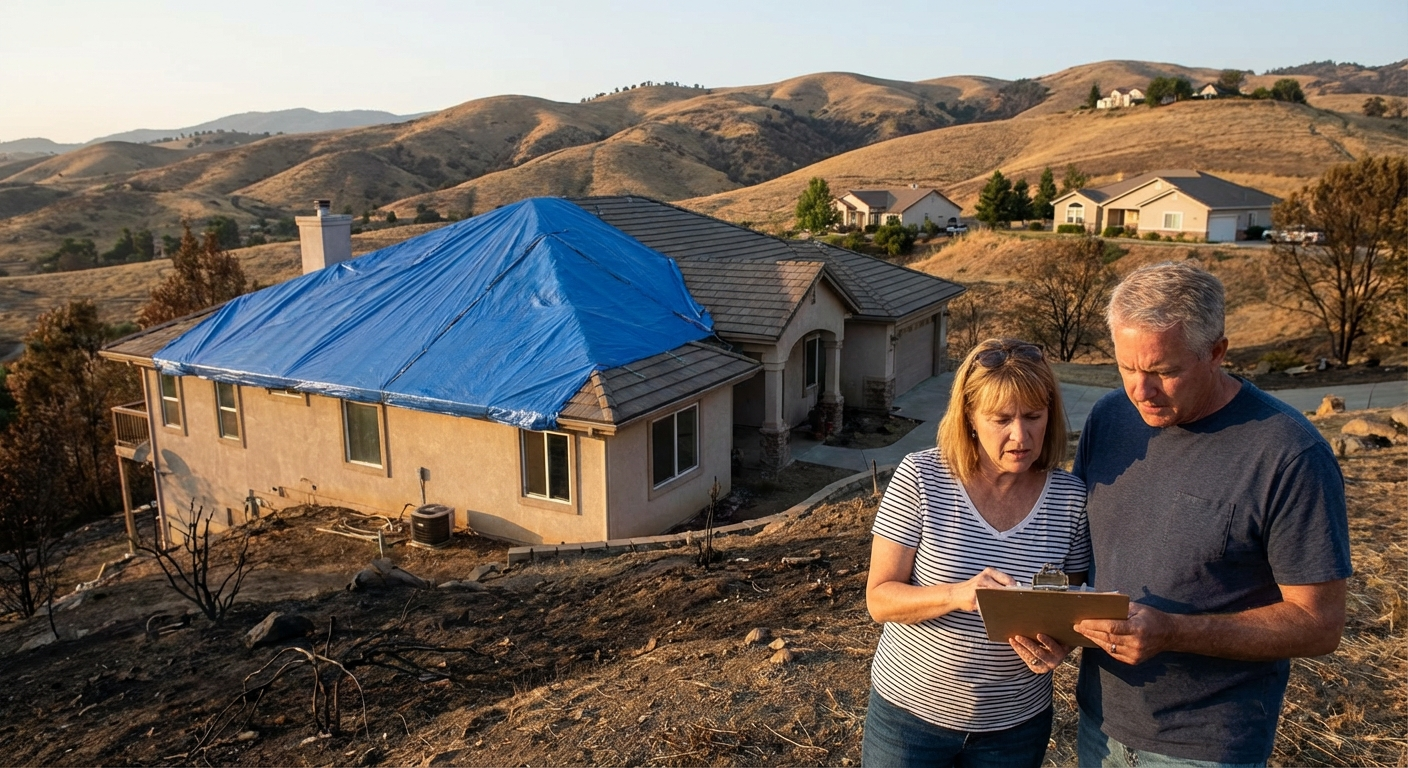
The Miller family had a pretty good thing going. They’d bought their home in Ventura County back in 2018, a little slice of suburban heaven with a yard big enough for the kids and a decent commute for both parents. Their homeowners insurance, from one of the big names, seemed fine. They paid the premium, never thought much about it. Until last spring, when the renewal notice landed in their mailbox. Not only had the cost jumped nearly 60% in two years, but buried deep in the fine print were new exclusions – things their old policy used to cover, now suddenly off-limits. They felt a knot in their stomachs. Were they actually covered? Or were they just paying for peace of mind that didn’t really exist?
Honestly, the Millers aren’t alone. Across California, families and businesses are finding themselves in a similar spot. Our state is, shall we say, a bit of a special case when it comes to insurance. Between wildfires, earthquakes, and just the sheer cost of living, protecting what you own can feel like trying to hit a moving target. And often, what you *think* you’re covered for isn’t the whole story. These are the coverage gaps – the silent threats that can turn a minor incident into financial ruin.

When Home Is Where the Worry Is: Wildfires, Inflation, and Non-Renewals
For most California homeowners, fire is the boogeyman. It’s not just the big, headline-grabbing infernos like the ones that ripped through parts of Malibu or Santa Rosa. It’s the constant threat, the “red flag” warnings, the fear in the air when the Santa Ana winds pick up. And insurers? They’re getting nervous.
Three things drive your premium up – or get you dropped altogether. First, wildfire risk. Insurers like State Farm and Farmers have pulled back from writing new policies in areas they deem too risky, or they’re simply not renewing existing ones. If you live anywhere near the wildland-urban interface – think the hills of Orange County, the canyons of the Valley, or even parts of the Inland Empire – you’ve probably felt this squeeze. You might find yourself pushed onto the California FAIR Plan, which is a safety net, yes, but it often provides less coverage than a standard policy. It’s designed to be a last resort, not a first choice.
Here’s where it gets interesting. Even if you *have* a policy, many don’t realize what it actually covers. Standard homeowners policies often exclude things like earthquake damage and flood damage. That’s right. A major temblor – and we live in California, after all – could level your home, and your regular policy won’t pay a dime unless you’ve bought separate earthquake insurance. Most people don’t. It’s expensive, and honestly, we tend to put it off. Big mistake.
Then there’s inflation. Building materials, labor costs – they’ve all shot up. Your home’s market value might be one thing, but the cost to rebuild it from scratch? That’s probably jumped 30-40% since you first insured it. The Millers, for instance, bought their house for $800,000. They insured it for $700,000 in rebuilding costs. Now, estimates for rebuilding that exact house are pushing $1.2 million. If a fire took their home tomorrow, they’d be staring down a half-million-dollar gap. It’s a gut punch. You need to tell your agent to adjust your dwelling coverage every single year. Don’t just set it and forget it.
Driving in California: More Than Just Traffic Jams
California has a lot of cars. A lot of drivers. And, unfortunately, a lot of uninsured or underinsured drivers. Our state’s minimum liability requirements for auto insurance are notoriously low: $15,000 for injury to one person, $30,000 for injury to multiple people, and $5,000 for property damage. Think about that for a second. If you get into a serious accident with a new Mercedes, $5,000 for property damage won’t even cover a fender bender.
But here’s the thing. If you’re hit by someone who only carries those minimums, and your medical bills are $100,000, where does the rest come from? Out of your pocket, unless you’ve added Uninsured/Underinsured Motorist (UM/UIM) coverage to your own policy. This coverage is absolutely essential in California. It steps in to pay *your* medical bills and repair costs if the at-fault driver either has no insurance or not enough. Too many drivers skip it to save a few bucks, not realizing they’re gambling with their entire financial future.
Another common gap? Rental car reimbursement. Your car gets totaled, you need a rental for a month while you sort things out. That bill can climb fast. And roadside assistance? It’s cheap, but when you’re stranded on the 101 with a flat tire, it suddenly feels like the most valuable thing in the world. Often, these small coverages are the first to go when someone is trying to shave a few dollars off their premium. But those few dollars could save you hundreds, or even thousands, down the line.
Beyond the Basics: What Else Keeps Karl Susman Up at Night?
Karl Susman, from Best Insurance Rates Los Angeles, CA License #OB75129, has seen it all. For years, he’s helped Californians like the Millers find their way through this maze. “People think they’re covered,” Karl says, “until they’re not. They call me after something’s happened, and it’s heartbreaking to tell them their policy just doesn’t stretch that far.”
One area most people totally overlook is liability beyond their home or car. What if a visitor slips and falls on your property, suffers a serious injury, and sues you for a million dollars? Your homeowners liability might only cover $300,000 or $500,000. Where does the other $500,000 come from? Your savings, your investments, maybe even your future earnings.
Which brings up something most people miss: the umbrella policy. Think of it as an extra layer of liability protection that sits *on top* of your auto and homeowners policies. It kicks in when the underlying policies hit their limits. For a few hundred dollars a year, you can get an extra million or two in coverage. It’s surprisingly affordable for the peace of mind it offers, especially for families with young drivers, pools, or even just active kids who might accidentally cause damage.
Business owners face their own set of unique gaps. General liability is standard, but what about professional liability if you offer advice or services? Cyber insurance, for instance, used to be an exotic extra; now, with data breaches becoming routine, it’s almost a necessity. And business interruption insurance? After a wildfire or an earthquake, if your business can’t operate, that coverage can keep your doors open when everything else is crumbling.
Finding Your Safety Net in a Shaky State
So, what’s a California resident to do? First, don’t assume. Get out your policy declarations page. Read it. If you don’t understand something – and let’s be honest, insurance jargon is a language unto itself – call your agent. Ask tough questions.
Don’t just chase the cheapest premium. A policy that costs less because it covers less isn’t a good deal; it’s a ticking time bomb. Remember the Millers? Their new, higher premium still left them with less coverage than they had before. They learned that the hard way.
Consider contacting an independent agent. Unlike agents who work for a single company (like State Farm or Farmers), an independent agent works with multiple insurers. They can shop around for you, comparing different policies and finding options that might better suit your specific needs – and fill those gaps – even when the market is tight. They know the ins and outs of Prop 103 and how it affects rates, and they can explain the nuances of the FAIR Plan.
Getting a clear picture of your current situation and exploring your options is easier than you think. You can start by getting a personalized quote right now. Seriously, take five minutes.
You wouldn’t drive a car with no gas, right? Don’t live in a home or drive a car with insurance that’s running on empty. A good policy isn’t just a paper requirement; it’s the foundation of your financial security. If you’re wondering if you have the right protection, or if you’re like the Millers and just got hit with a shocking renewal, it’s time to talk to someone who knows the California market inside and out. Karl Susman and the team at Best Insurance Rates Los Angeles are ready to help. You can call them at (877) 411-5200 for a straightforward conversation about your coverage.
Thinking about your future, your home, your family – it all starts with understanding what you’re truly protected against. Don’t wait for a disaster to find out you’ve been living with a gap. Get a quote today and see what options are out there for you.
FAQs About California Insurance Coverage Gaps
What exactly is an insurance coverage gap?
An insurance coverage gap is simply a situation where your current policy doesn’t cover a specific risk or a particular amount of loss, leaving you financially exposed. For example, if your homeowners policy doesn’t include earthquake damage, that’s a gap. Or if your auto liability limits are too low to cover a serious accident, that’s another.
Why are California premiums so high, and why are insurers pulling out?
California faces unique challenges. Wildfires, for one, have caused billions in losses, making insurers extremely cautious in high-risk areas. Earthquakes are another massive potential cost. Rising rebuilding costs due to inflation and labor shortages also play a role. Plus, California’s strict regulatory environment, shaped by things like Prop 103, means insurers can’t always raise rates as quickly as they feel they need to, leading some to reduce their presence in the state.
Does the California FAIR Plan cover everything?
No, it doesn’t. The FAIR Plan is designed to be a basic, last-resort option for property owners who can’t get insurance in the traditional market. It primarily covers fire, wildfire, and smoke damage. It usually doesn’t include coverage for things like liability, theft, water damage, or personal property beyond a very basic level. You’d typically need to purchase a separate “Difference in Conditions” (DIC) policy to fill those gaps.
Is an umbrella policy really worth it?
For many California residents, absolutely. An umbrella policy provides an extra layer of liability protection above and beyond what your homeowners and auto policies offer. If you’re sued for a large amount – say, a car accident with serious injuries or an incident on your property – an umbrella policy can protect your assets from being wiped out. It’s often surprisingly affordable for the significant amount of added protection it provides.
How often should I review my insurance policies?
You should review your insurance policies at least once a year, ideally before your renewal date. Life changes – you buy a new car, renovate your home, start a business, have kids, or your kids start driving. All these events impact your insurance needs. Plus, market conditions in California are constantly shifting, with new risks emerging and costs changing. A yearly check-in with your agent ensures your coverage keeps pace with your life and the current environment.
This article is for informational purposes only and does not constitute financial advice.